

Dig this: the Azores are Portugal’s answer to geological turmoils—storms, sea spray, volcanic basalt, and wines that taste like they were pressed with grit and Atlantic salt. Far from the pastoral views and polished UNESCO-rated vineyards, these islands hustle in whisper‑loud contrast. With some local grape varieties near-extinct, the islands (they are more than one Pico) are holding onto heritage vines and producers reviving them parcel by parcel.
It took some serious volcanic resilience to keep vines alive here: terraced farms walled in basalt, planted centuries ago for wind and salt protection. Monks kicked it off, then disease nearly erased it all. Only in the 1980s did they replant the roots—Verdelho, Arinto dos Açores, and the rare Terrantez do Pico. Today those stones and slopes produce wines that could make one question the accepted definition of “Portuguese”.
As for the grapes to look for: Arinto dos Açores is what happens when a grape grows up fighting the Atlantic instead of basking in sunshine—the vine lashed by salt winds, roots wedged into volcanic fractures, producing energy under a permanent sense of geological menace. It doesn’t charm so much as challenge: all lime zest, iodine, and wet basalt. There is no easy fruit here, no soft parochial generosity—only tension, salinity, and a kind of intellectual severity that makes many other coastal whites look like family holiday brochures. That’s the point: Arinto dos Açores is not about pleasure first—it’s about place, and the place is spectacularly unique.
Verdelho in the Azores is not merely a variety; it is the historical spine of the islands’ wine culture, the grape that proved viticulture could survive on raw lava and Atlantic fury. For centuries it carried Pico and its neighbours onto the global stage—fortified styles shipped to imperial courts, dry wines etched with salt and stone long before “volcanic terroir” became marketing motto. In its modern dry expression, Verdelho remains the reference point: medium-bodied yet tensile, citrus-driven but threaded with smoke and brine, capable of ageing with a quiet, saline authority that few island whites can match.
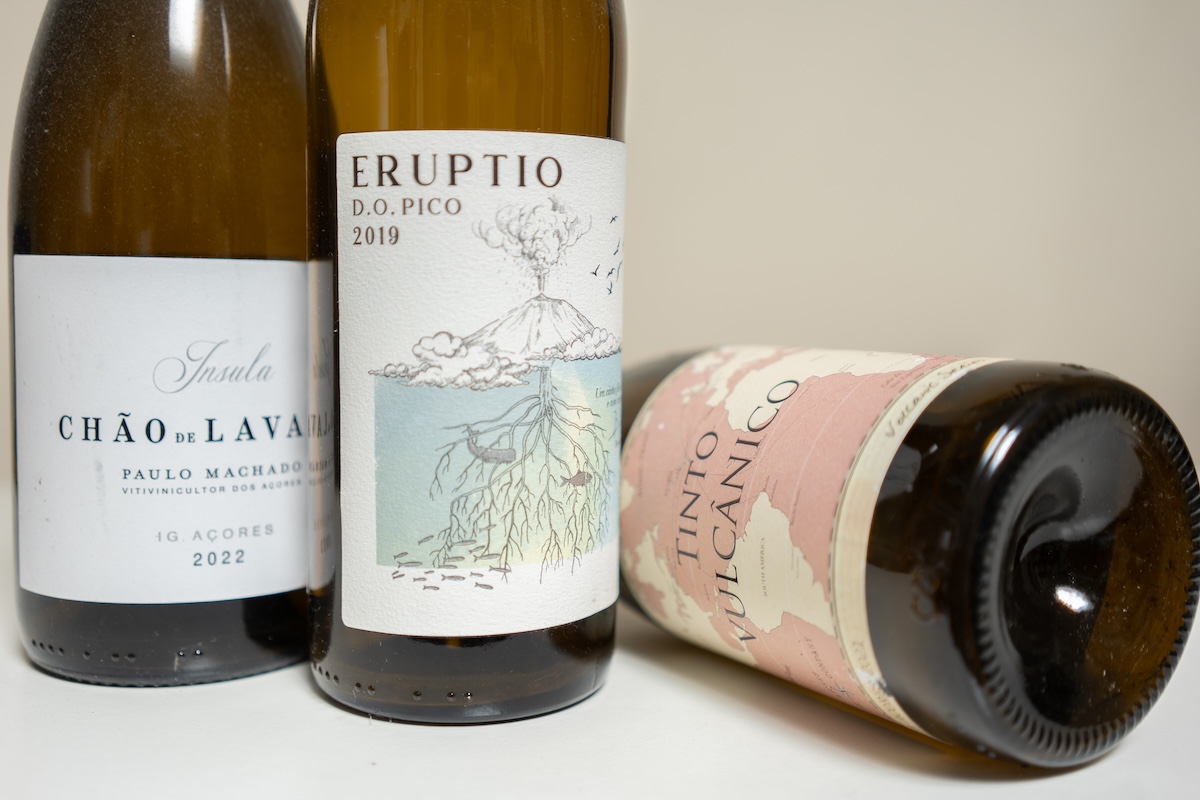
Beyond Verdelho and Arinto dos Açores, the islands’ varietal landscape broadens into a tight but distinctive cast shaped by oceanic climate and black soils. Terrantez do Pico is the intellectual outlier—rare, almost archival in spirit—offering breadth, smoky florals and a waxy, iodine-laced depth that gives the whites a more architectural dimension. Maria Gomes (Fernão Pires), historically present in field blends, contributes aromatics and early approachability, while Malvasia Fina and Boal occasionally appear in heritage plantings, echoing the islands’ fortified-wine past.
On the red side, production is marginal but growing: experimental plantings of Saborinho, Touriga Nacional, Castelão and international grapes such as Merlot and Syrah are now shaping a niche category of light, Atlantic-influenced reds.
Official research indicates that winegrowing is overwhelmingly concentrated on the Pico island—about 95% of regional output—and that white wines dominate historically, with red wine having “no tradition” and only a small but increasing production share in recent decades—which is why only one is included below. Overall red wines remain a minor fraction of the archipelago’s total production.
As you will find, the island’s wines are all top quality, it’s virtually impossible to go wrong with them unless you have a specific disdain for high-level minerality, saltiness and marine-iodine character of those. And the prices? To me they perfectly reflects the location and efforts to produce high-end wines in such a remote wilderness.
Now to our list:
Pico Wines – Terroir Vulcânico Verdelho | Açores
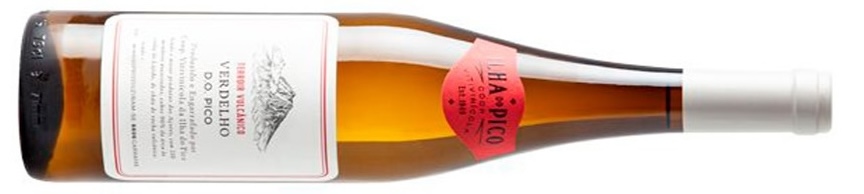
Grapes: Verdelho
This is Verdelho raised on black lava and Atlantic spray—tense, saline, and almost electrically mineral. The nose flickers between citrus peel and faint gunpowder, a signature of volcanic soils, while the palate stays lean and oceanic, with a persistent briny snap. Fermented partly in steel and partly in barrel, it balances precision with a gentle textural swell on the mid-palate. It tastes like the sea crashing against warm basalt—clean, sharp, and quietly dramatic. [91]
Eruptio – Terrantez do Pico | Açores
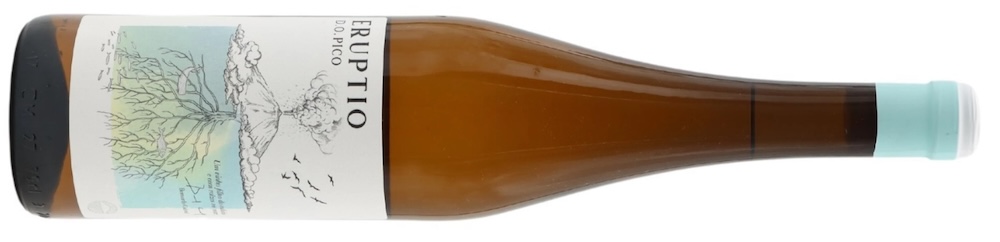
Grapes: Terrantez do Pico
This is Terrantez in its raw, heroic form—mineral first, fruit second, and salt always present. Expect grapefruit zest, smoky stone, and a faint peach note wrapped in a dense, volcanic frame. Old oak ageing on fine lees gives breadth, but the wine never loses its tensile Atlantic acidity. It feels chiselled rather than polished, finishing long, saline, and austere in the best possible way. [91]
Entre Pedras – Arinto dos Açores | Açores
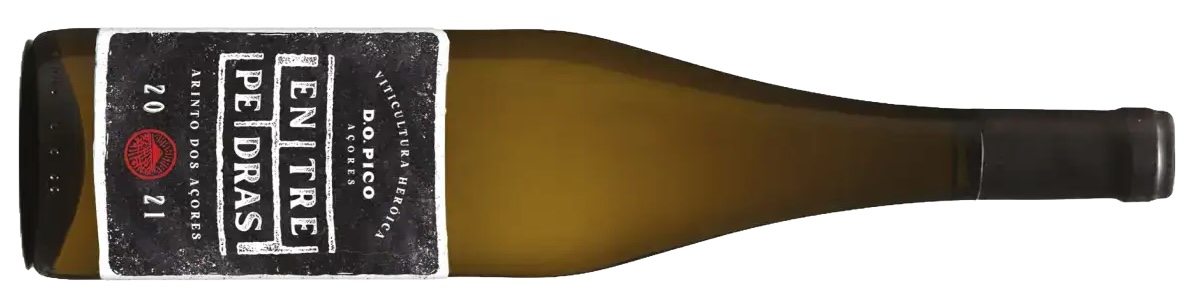
Grapes: Arinto dos Açores
“Between stones” is literal here: vines rooted in fissured basalt yield a wine that tastes carved out of rock. Lime, seaweed, and crushed shell dominate, with a vertical acidity that slices clean through the palate. There is almost no excess flesh—just tension, precision, and a persistent salty echo. It’s austere, architectural, and unmistakably Atlantic. [93]
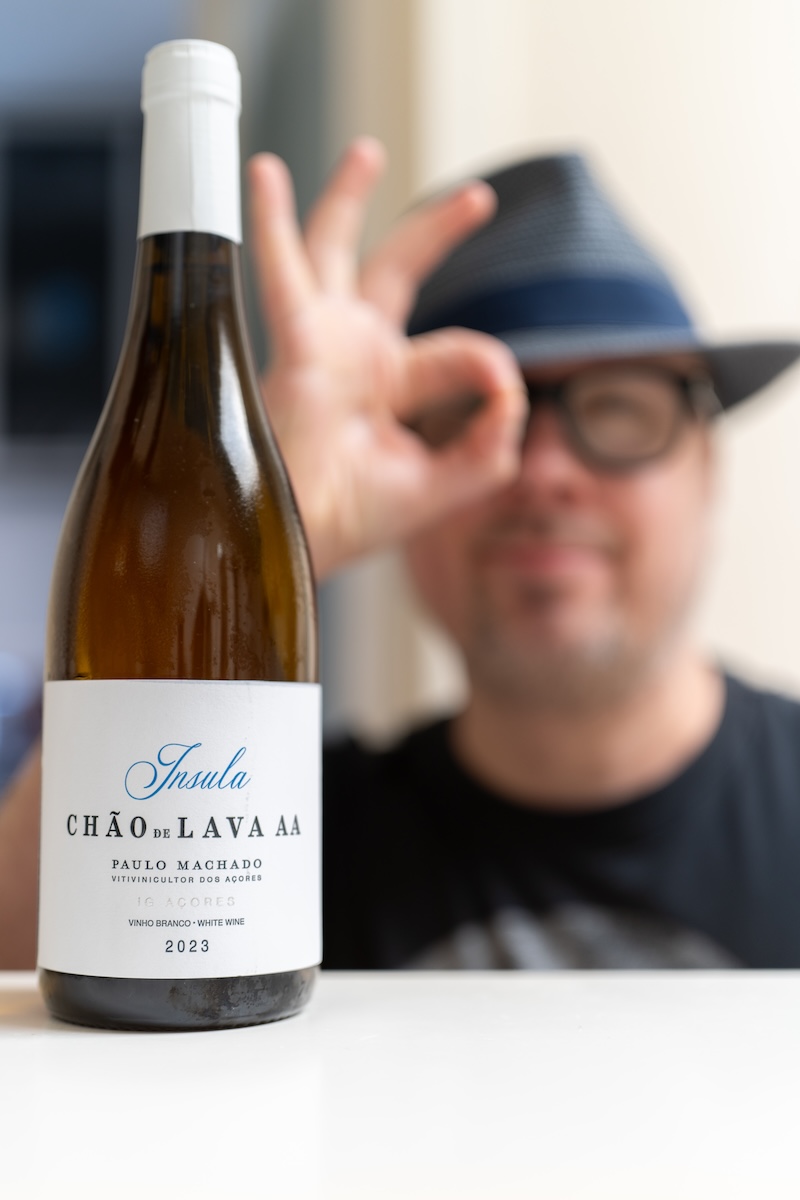
Insula Vinhos / Paulo Machado – Chão de Lava AA | Açores
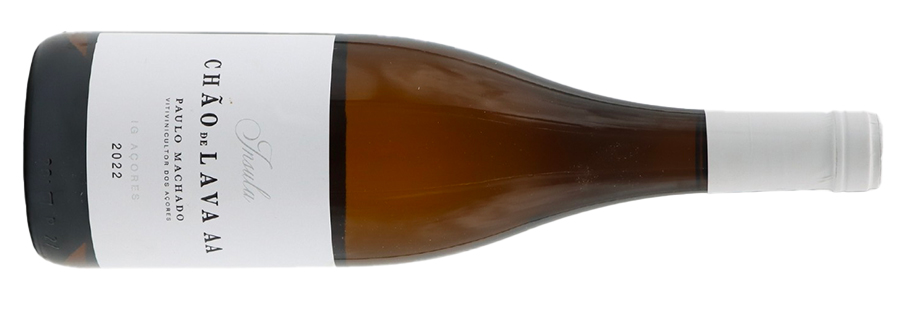
Grapes: Arinto dos Açores
A study in lava-born austerity. The wine is taut and linear, driven by sharp citrus, iodine, and a stony bitterness that feels geological rather than phenolic. Minimal intervention lets the raw material speak, so the profile stays unadorned and fiercely mineral. It is less about fruit and more about place—wind, salt, and black rock distilled into liquid form. [91]
Azores Wine Company – Verdelho O Original | Açores
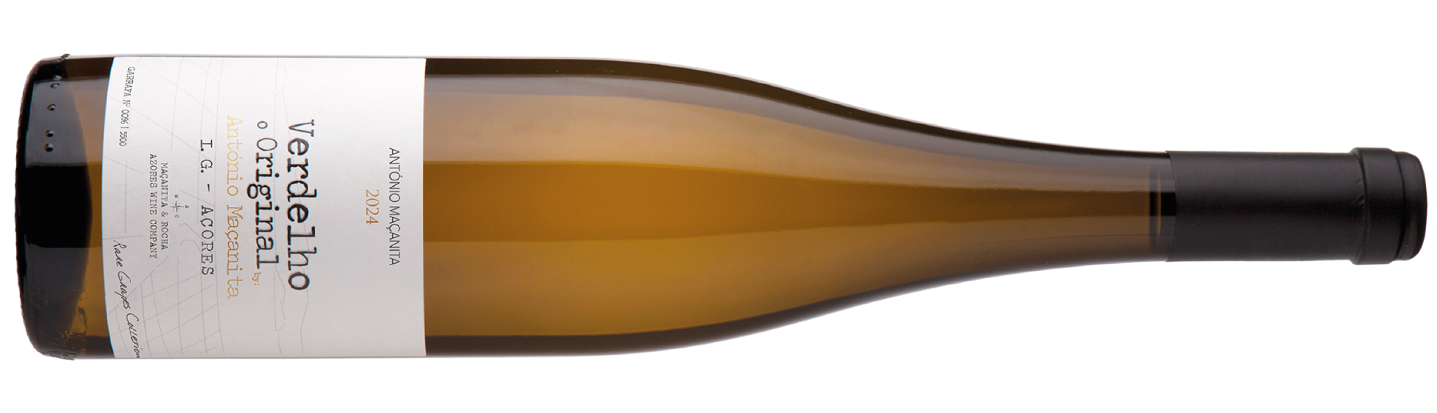
Grapes: Verdelho
This is the benchmark modern expression of Pico verdelho: vibrant, salty, and relentlessly fresh. Lemon zest, green apple, and Atlantic spray lead, while time on lees adds a discreet creaminess that softens the otherwise razor-edged structure. The finish is long and saline, echoing the proximity of vines planted almost at sea level. Precise, coastal, and unmistakably volcanic. [91]
Herdade do Rocim – Oceânico Arinto dos Açores | Açores
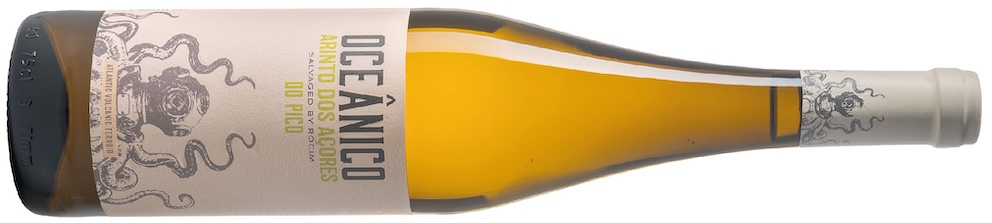
Grapes: Arinto dos Açores
A mainland producer interpreting an island grape, yet the ocean still dominates the profile. Bright citrus and green herbs meet a firm mineral spine, with a saline bite that keeps the wine taut and refreshing. Compared to Pico-born examples it is slightly rounder, but the maritime tension remains the defining trait. Clean, energetic, and sharply focused. [92]
Niepoort – Açores Reserva Branco | Açores
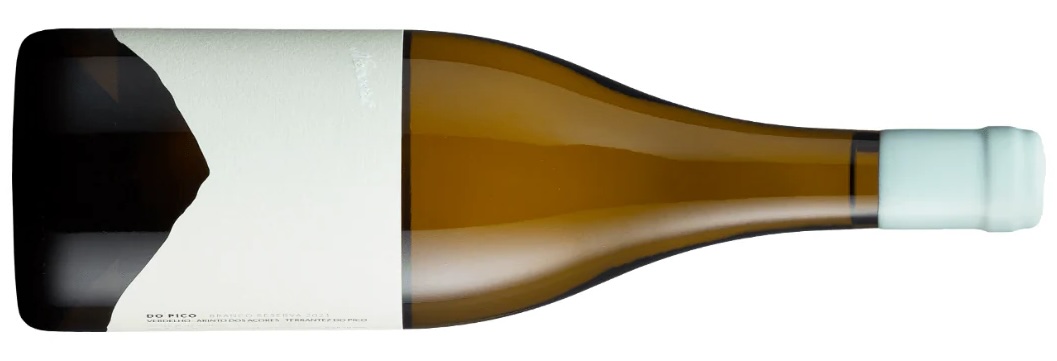
Grapes: Arinto dos Açores, Terrantez do Pico, Verdelho
Dirk Niepoort’s interpretation of Pico whites leans into texture without losing maritime precision. Barrel fermentation adds breadth and a gentle nuttiness, yet the core remains saline and mineral, with citrus and iodine running through the finish. It is both intellectual and visceral—structured, layered, and unmistakably ocean-forged. [92]
Bonus track #1:
Adega do Vulcão – Ameixâmbar | Açores
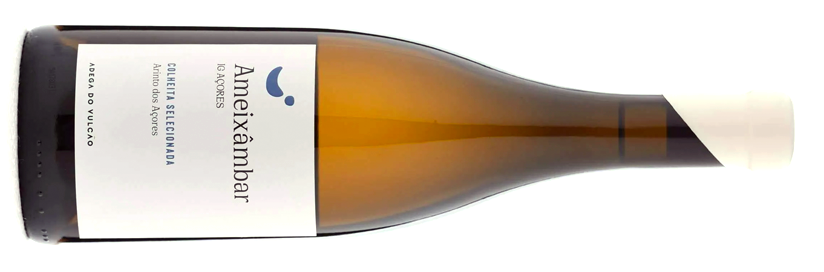
Grapes: field blend (volcanic terroirs of Pico and Faial)
A rare cross-island blend capturing both basalt lava and ash in one glass. The result is textural and layered—ripe citrus, subtle tropical hints, and a deep, smoky mineral core. There’s more breadth here than in single-varietal bottlings, yet the finish remains salty and volcanic. It feels expansive but still anchored firmly in black rock. [91]
Bonus track #2:
Azores Wine Company – Vulcânico Tinto | Açores
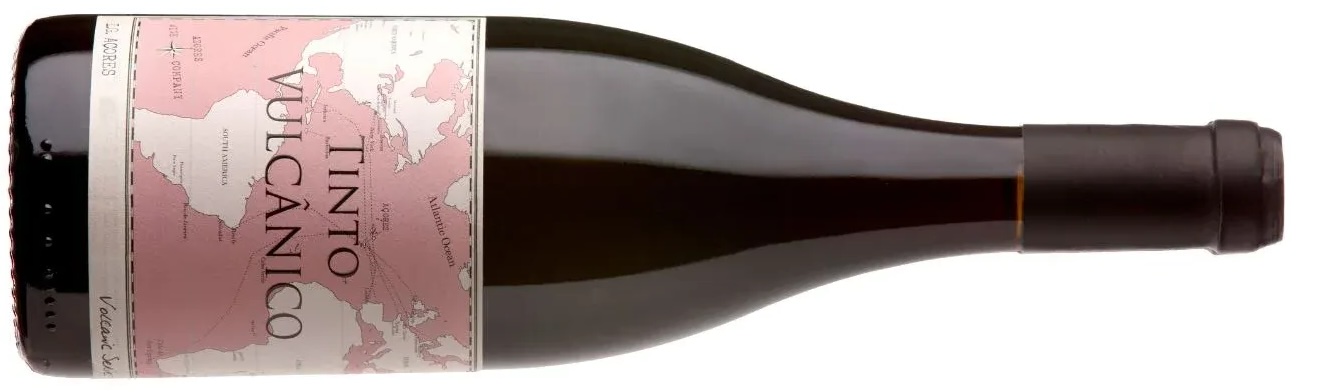
Grapes: local red varieties (typically including Touriga Nacional and others adapted to Pico)
A rare Atlantic red that trades power for tension. Light in color but intense in character, it mixes red currant, pepper, and a distinctly ferrous, lava-stone note. The palate is brisk and savory, with firm acidity and a salty, almost blood-orange finish. Think volcanic crunch rather than weight. [92]